Xavier Leonard — a life in hops
He called himself a node. What he meant was: every person he touched became more connected — to tools, to each other, to their own latent capacity to build. Here is the route he traced.
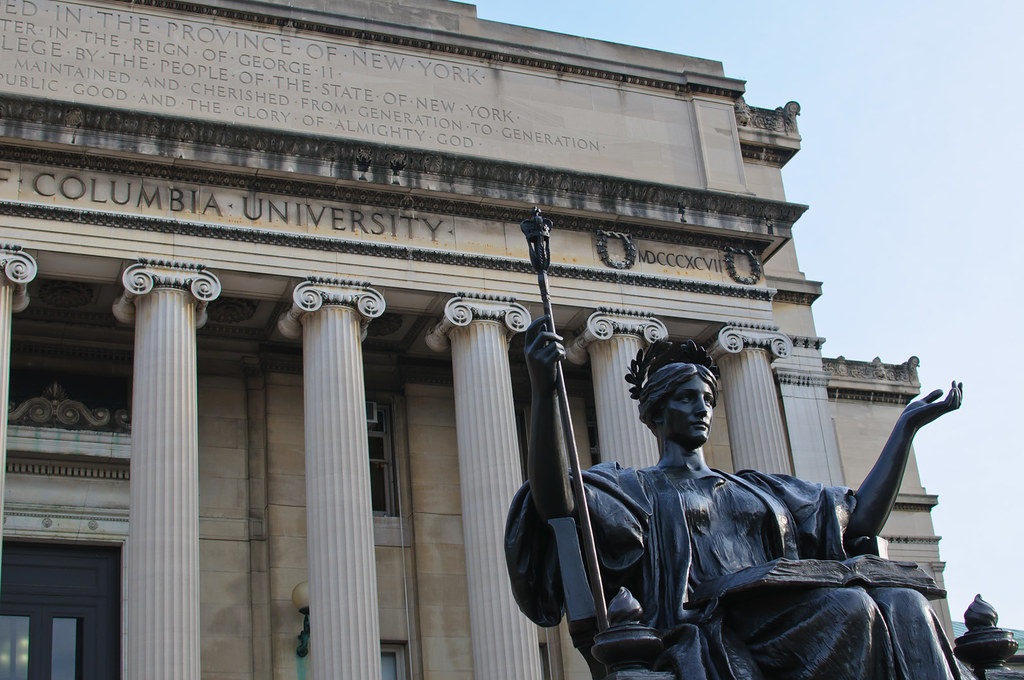
Xavier Leonard came of age at Columbia University, developing a deep interest in the relationship between technology, information, and human power. He arrived during one of the most charged moments in the university's activist history — students had recently blockaded Hamilton Hall demanding divestment from apartheid South Africa, the first successful such campaign at an Ivy League institution. The campus hummed with the idea that collective action could make invisible systems of complicity impossible to ignore.
He emerged not as a conventional engineer but as something rarer: a thinker who moved fluidly between circuits and communities, between code and culture. He was a multimedia artist who happened to solder, and an activist who happened to build networks.
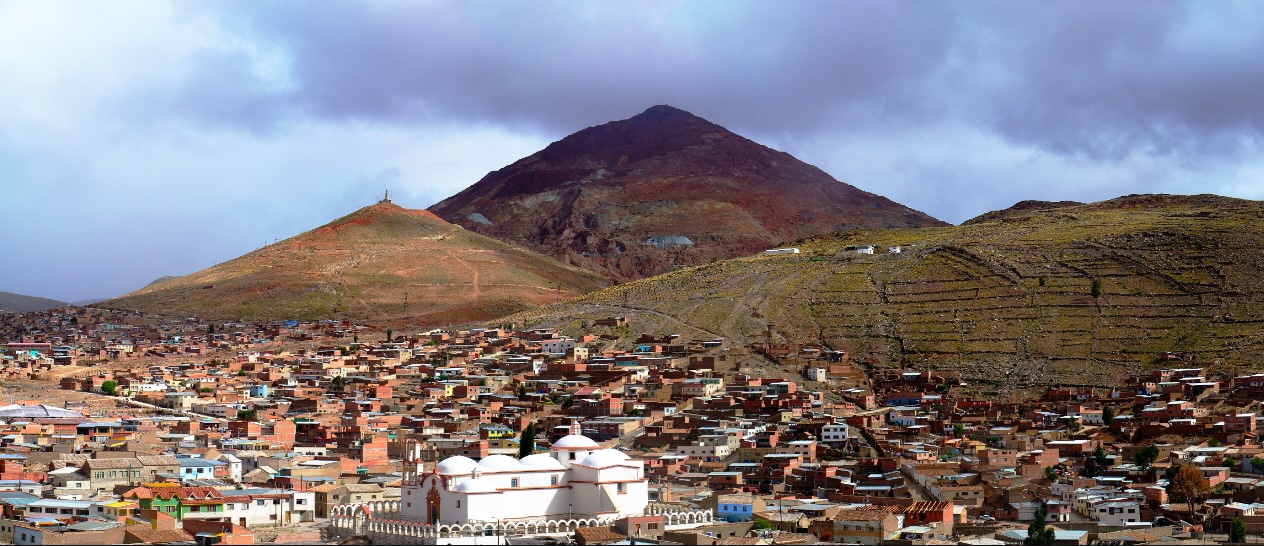
As a Lila Wallace Fellow — supported by the Institute of International Education — Xavier spent time in Potosí, Bolivia and Abidjan, Côte d'Ivoire. Bolivia was so wired he could get wi-fi in the middle of the jungle — yet the technology wasn't changing lives. The connectivity was there. The power it should have delivered was absent.
He returned to San Diego with a mission and a method. In 2002 he founded Heads on Fire — dedicated to bridging the digital divide — and began taking tools directly to the people who needed them most. The work was supported by the Western States Arts Federation, the Pennsylvania Council of the Arts, the San Diego Foundation, and the Jacobs Center for Neighborhood Innovation.
In 2007, Xavier co-founded FAB LAB San Diego with Katie Rast — a collaboration between Heads on Fire and MIT — behind an unassuming storefront on 43rd Street. Laser cutters. 3D scanners. Circuit boards. Open-source software. And the constant invitation: you can make almost anything here.
The program was selected as a national model for teaching technology in out-of-school settings. In 2010 he extended the model globally with Designers for Humanity — an open-source invention framework for community-specific engineering problems.
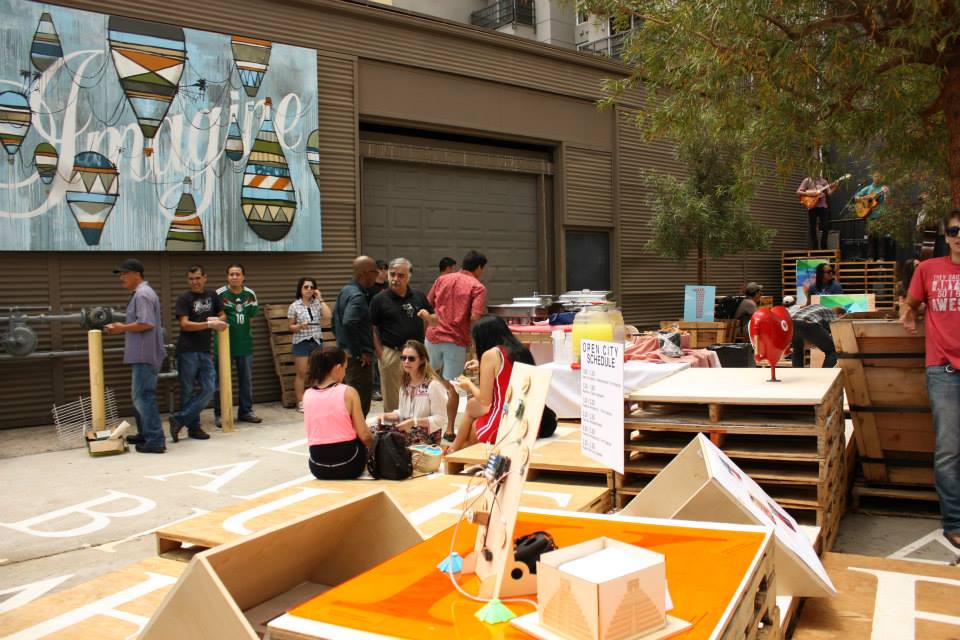

Xavier carried his communities' voices onto stages where their futures were being decided — insisting that the people of City Heights deserved seats at every table.
Xavier's design projects were presented at the Centre International Francais in Ouagadougou — one of dozens of international venues where his work appeared. Ouagadougou, "the Land of Incorruptible People," is a city with one of Africa's greatest film festivals and a deep tradition of craft and cultural production. Xavier fit there.
His work in West Africa — from the Lila Wallace research in Côte d'Ivoire to the artistic presentation in Burkina Faso — shaped his understanding of what technology could and couldn't do for communities the world had turned away from.

Running beneath all of Xavier's technical work was a single animating idea — one he stated plainly in a talk near the end of his life: "Reveal opportunities that had been invisible. Make visible people who have been disappeared."
This was not metaphor. In 2011, using augmented reality, he placed the erased stories of Chinese immigrant workers back into the physical spaces where they had labored — at the Hotel Del Coronado, at the Embarcadero. The project was called With These Hands. His work was supported by New American Radio and the Pew Fellowship in the Arts, among others.
His Soundwalk piece geotagged audio from a 433-meter span of his southeast San Diego neighborhood, then mapped those sounds onto the coordinates of an analogous span in Long Beach using augmented reality. The sounds of one place played through the geography of another. A city heard through a different city's skin.
The tools changed — augmented reality, geolocation, open data, fabrication labs — but the act was always the same. He was always routing signal to places that had been cut off. Always making the invisible visible.
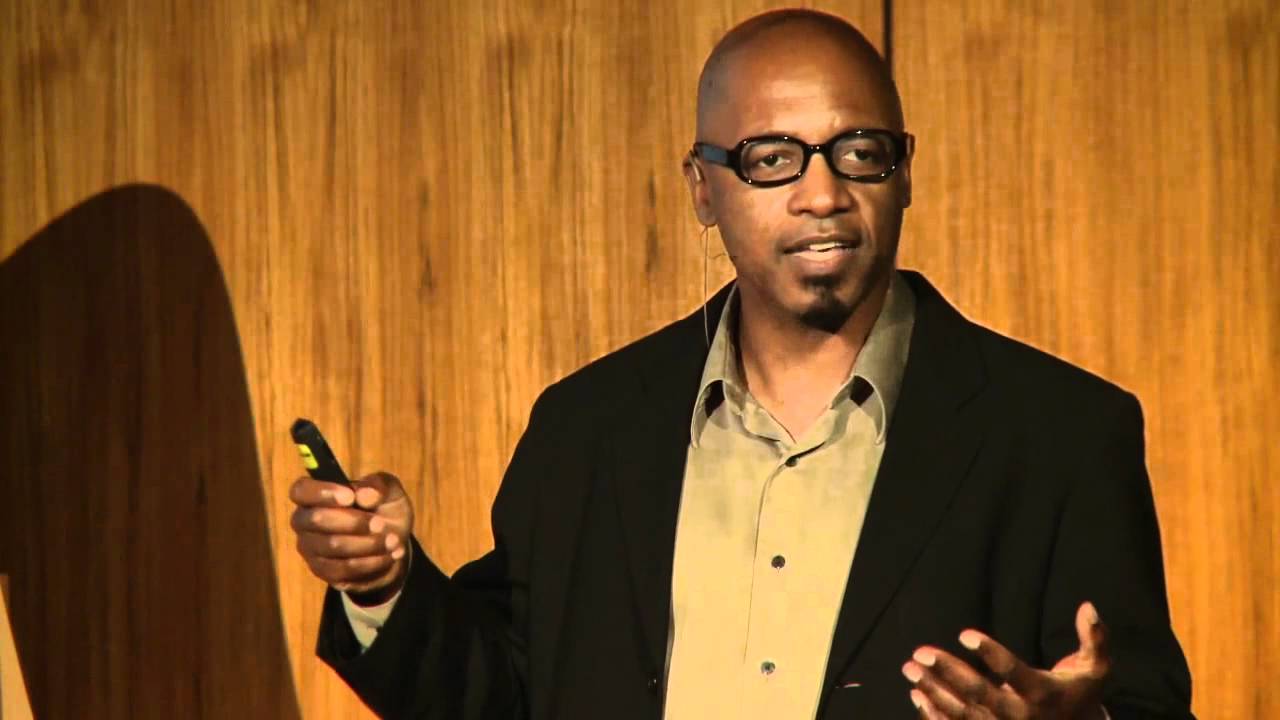
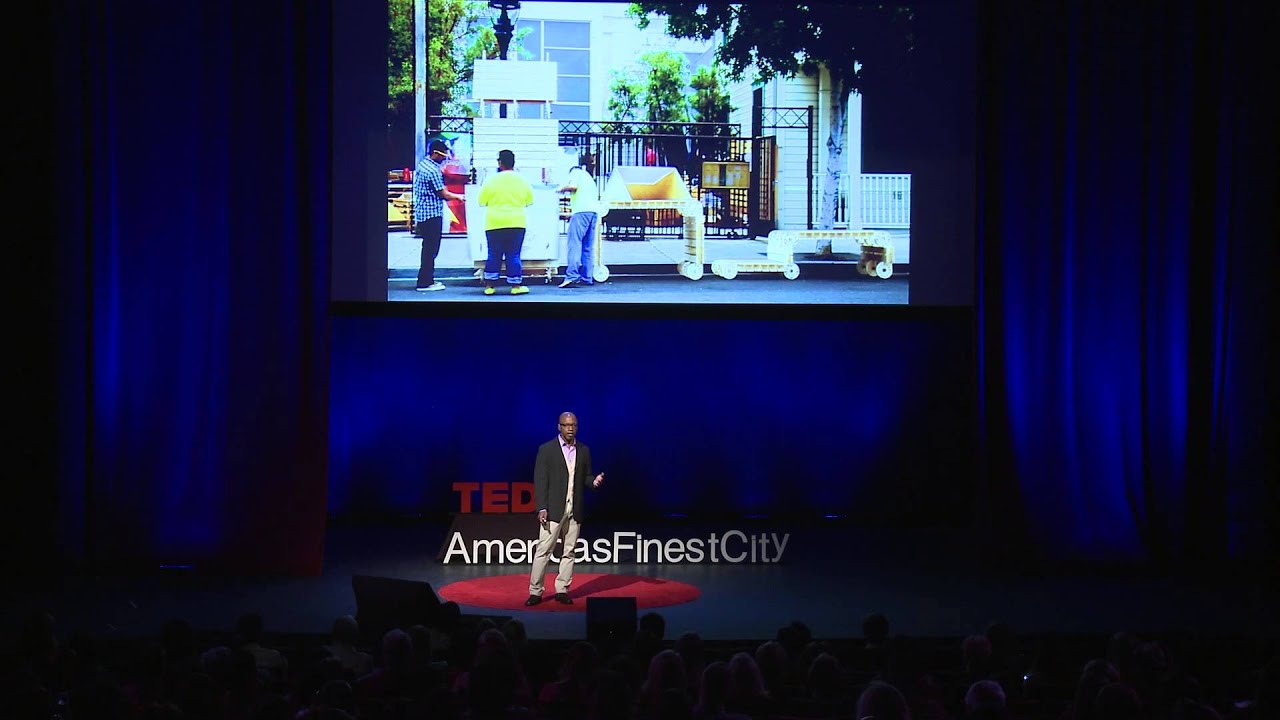
Across three public talks, Xavier articulated a coherent vision — civic agency, open knowledge, and the radical act of making the invisible visible.
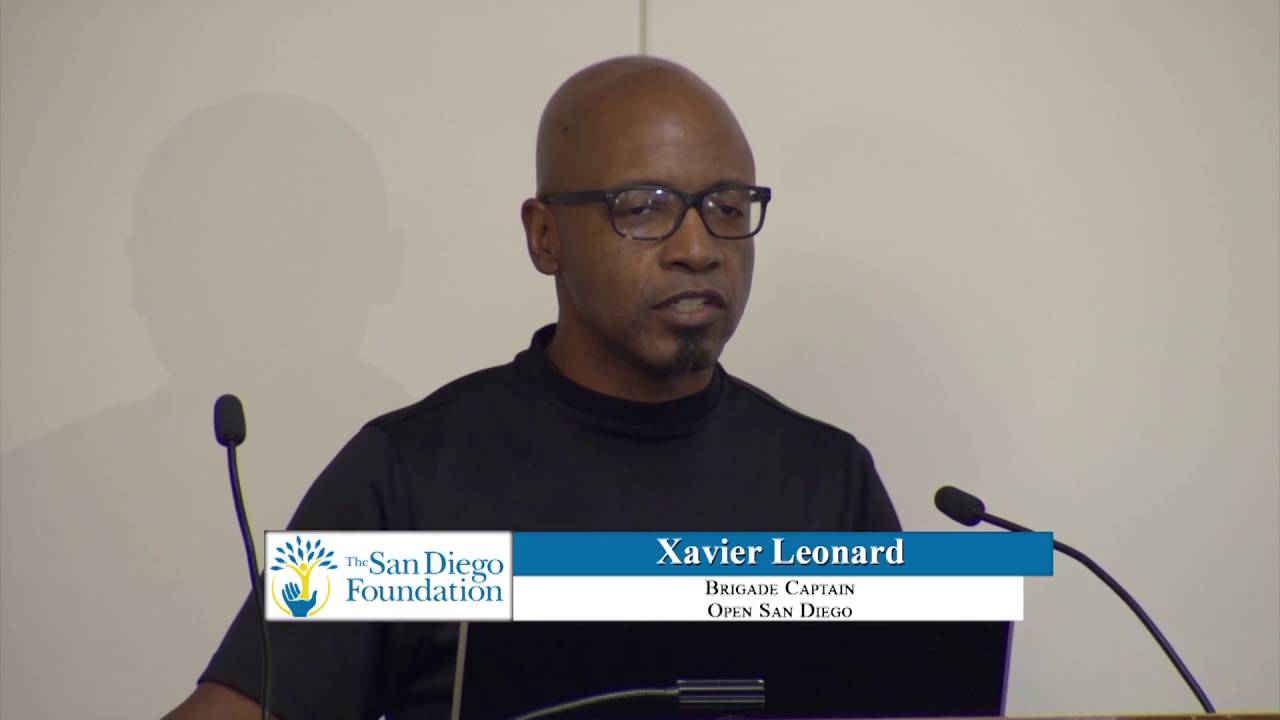
Behind every credential was a man who played the piano, wrote music, and made things at the intersection of art and technology — because he believed the two had never truly been separate.
His Twitter bio was three words: tracerouting the human network. He was always looking for where the signal dropped, where a community had been left offline — and routing around the damage.
He is survived by his mother, Janice Leonard-Peace; his sister, Rimoini Peace; his niece, India Cannon; and many cousins and extended family members who love him.